
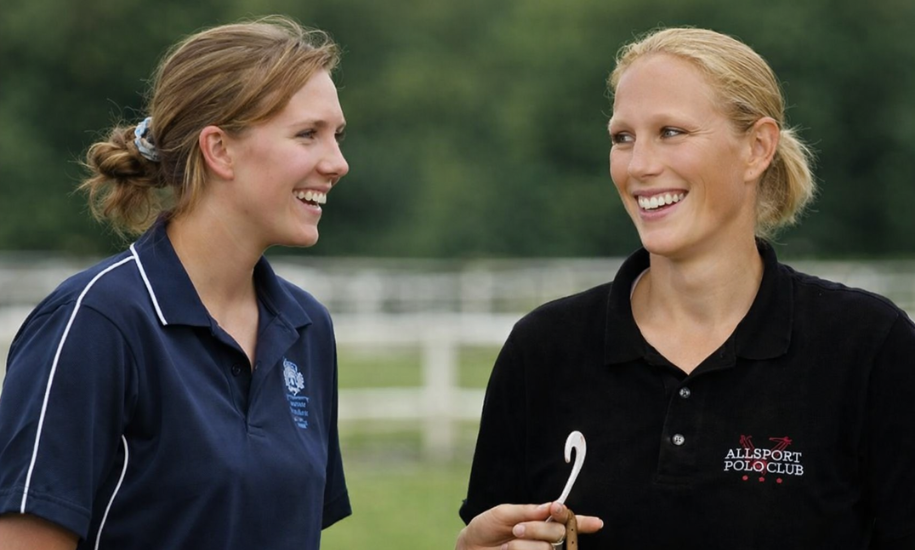
Heather Tonkin is a name that quietly entered global attention through an unexpected connection to British royal history. Unlike celebrities or public figures who actively seek the spotlight, Heather Tonkin’s story is one shaped by circumstance, privacy, and resilience. Known primarily for her connection to former British Olympic equestrian and royal family member Captain Mark Phillips, she has remained a largely private individual, choosing a life away from fame despite intense public curiosity. Her life story, particularly as the mother of Felicity Tonkin, reflects strength, discretion, and dignity in the face of media scrutiny.
This article explores Heather Tonkin’s background, her brief but historically significant link to royalty, her role as a mother, and the lasting public interest surrounding her name. While much of her life remains intentionally private, the available details paint a compelling picture of a woman who valued normalcy over notoriety.
Early Life and Background
Heather Tonkin was born and raised in New Zealand, a country known for its strong sense of community and appreciation for privacy. Very little verified information exists about her early family life, education, or upbringing, which itself reflects her long-standing preference to stay out of the public eye. What is known from historical reports suggests that she lived a modest and independent life before international attention found her.
Some accounts from the early 1990s describe Heather Tonkin as an art teacher, indicating a creative and academic inclination. This profession aligns with the image of someone grounded, thoughtful, and focused on personal growth rather than public recognition. Before her name appeared in international headlines, she was living an ordinary life, far removed from royal palaces and global media.
Connection to Mark Phillips and Royal Attention
Heather Tonkin became widely known due to her past relationship with Captain Mark Phillips, a celebrated British equestrian, Olympic gold medalist, and the former husband of Princess Anne, the only daughter of Queen Elizabeth II. During the 1980s, Mark Phillips was still married to Princess Anne when he had a relationship with Heather Tonkin.
This relationship remained private for several years. However, the situation changed when Heather Tonkin gave birth to a daughter, Felicity Tonkin, in August 1985. At the time, the child’s paternity was not publicly acknowledged, and Heather continued her life in New Zealand, raising her daughter away from the media.
It was not until the early 1990s that the matter became public. Legal proceedings eventually led to a DNA test, which confirmed that Mark Phillips was the biological father of Felicity Tonkin. This revelation brought intense media attention, not just because of the paternity itself, but because of its implications for the British royal family.
Children: Felicity Tonkin
The most important role in Heather Tonkin’s life has undoubtedly been that of a mother. Her daughter, Felicity Tonkin, was born into circumstances that attracted international curiosity, yet Heather made deliberate efforts to ensure her child grew up with privacy and stability.
Felicity Tonkin was raised in New Zealand, largely away from the influence of her father and the British royal family. Despite being biologically connected to royalty through Mark Phillips, Felicity did not receive a royal title, nor was she raised within royal circles. This was partly due to the fact that Mark Phillips himself declined royal titles during his marriage to Princess Anne, and partly due to Heather Tonkin’s desire to provide her daughter with a normal upbringing.
Heather Tonkin’s commitment to protecting her child from unnecessary media exposure is often highlighted as one of her defining characteristics. While Felicity’s existence became public knowledge, details about her education, career, and personal life have remained minimal. This speaks volumes about Heather Tonkin’s success in prioritizing her daughter’s well-being over public curiosity.
Life Away from the Spotlight
Following the resolution of the paternity case, Heather Tonkin largely withdrew from public discussion. Unlike many individuals linked to high-profile figures, she did not pursue interviews, book deals, or media appearances. Her silence was not an absence of voice, but a conscious choice to live life on her own terms.
This approach earned her a certain level of respect, even among those fascinated by royal affairs. Heather Tonkin became known as a woman who valued privacy, integrity, and independence. While tabloids briefly focused on her story, the lack of sensationalism from her side caused media interest to fade over time.
Her decision to remain in New Zealand also played a role in maintaining distance from the British press. Away from London’s intense media environment, Heather Tonkin was able to focus on her personal and professional life without constant scrutiny.
Public Perception and Media Narrative
The media portrayal of Heather Tonkin has generally been restrained compared to other figures associated with royal controversies. She was often described as private, dignified, and reserved. Unlike stereotypical tabloid narratives, her story lacked drama fueled by public statements or visible conflict.
From an SEO and historical perspective, Heather Tonkin is frequently searched alongside keywords such as Mark Phillips, Felicity Tonkin, royal paternity case, British royal family, and New Zealand woman linked to royalty. These semantic associations reflect how her identity has been shaped publicly, even though her personal life extends far beyond these labels.
It is also worth noting that Heather Tonkin never sought recognition or validation from the royal establishment. Her legal actions were focused on acknowledgment and responsibility, not fame. Once those matters were resolved, she returned to a private life, reinforcing her image as someone uninterested in public status.
Strength, Privacy, and Legacy
Heather Tonkin’s story stands out because of what it does not include. There are no scandals fueled by interviews, no public feuds, and no attempts to capitalize on a royal connection. Instead, her legacy is defined by quiet strength and a steadfast commitment to her child.
In a world where personal stories are often monetized, Heather Tonkin represents a different path—one rooted in discretion and self-respect. Her life serves as a reminder that not all influential stories are loud, and not all meaningful choices are visible to the public.
For readers interested in royal history, her name remains a footnote with significance. For those interested in human stories, Heather Tonkin represents resilience, independence, and the power of choosing privacy over publicity.
Why Heather Tonkin Still Matters Today
Decades later, interest in Heather Tonkin continues, especially among readers researching royal family history or lesser-known figures connected to it. Her story resonates because it touches on universal themes: motherhood, responsibility, dignity, and the right to a private life.
On platforms like Info Craze, where readers seek well-researched and balanced profiles, Heather Tonkin’s life offers a refreshing contrast to sensational celebrity narratives. She is proof that even when history places someone near the center of global attention, it is still possible to step back and live quietly.
As Info Craze continues to explore unique biographies and untold stories, Heather Tonkin’s journey remains a powerful example of grace under pressure and the enduring value of personal boundaries.
Conclusion
Heather Tonkin may never be a household name in the traditional sense, but her story carries lasting relevance. As the mother of Felicity Tonkin and a woman briefly connected to British royalty, she faced extraordinary circumstances with calm determination. Rather than allowing those events to define her, she chose a life of privacy, purpose, and dignity.
Her legacy is not built on fame, but on the quiet strength of her choices. In an age of constant exposure, Heather Tonkin’s life reminds us that true control lies in knowing when to speak—and when to remain silent.
